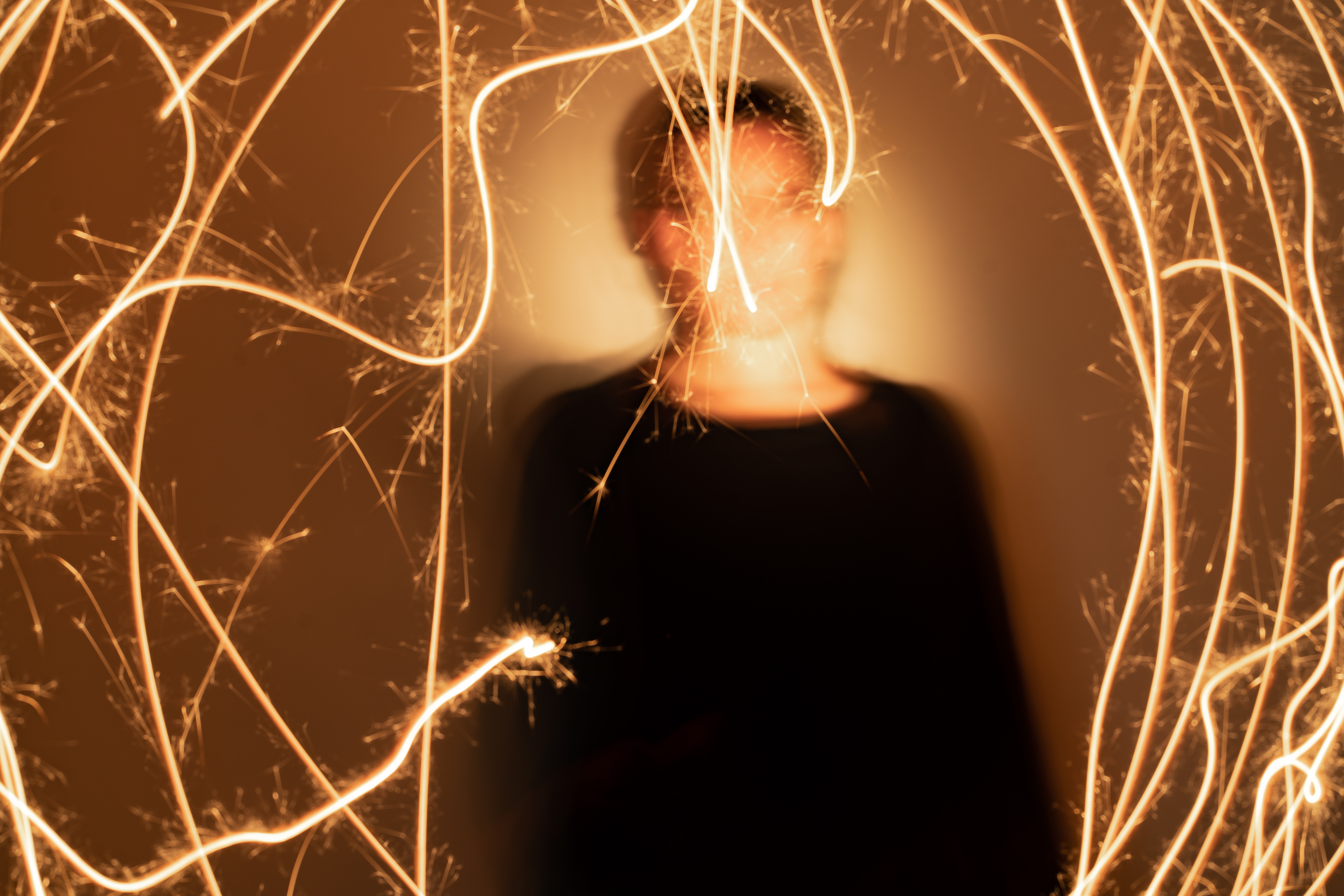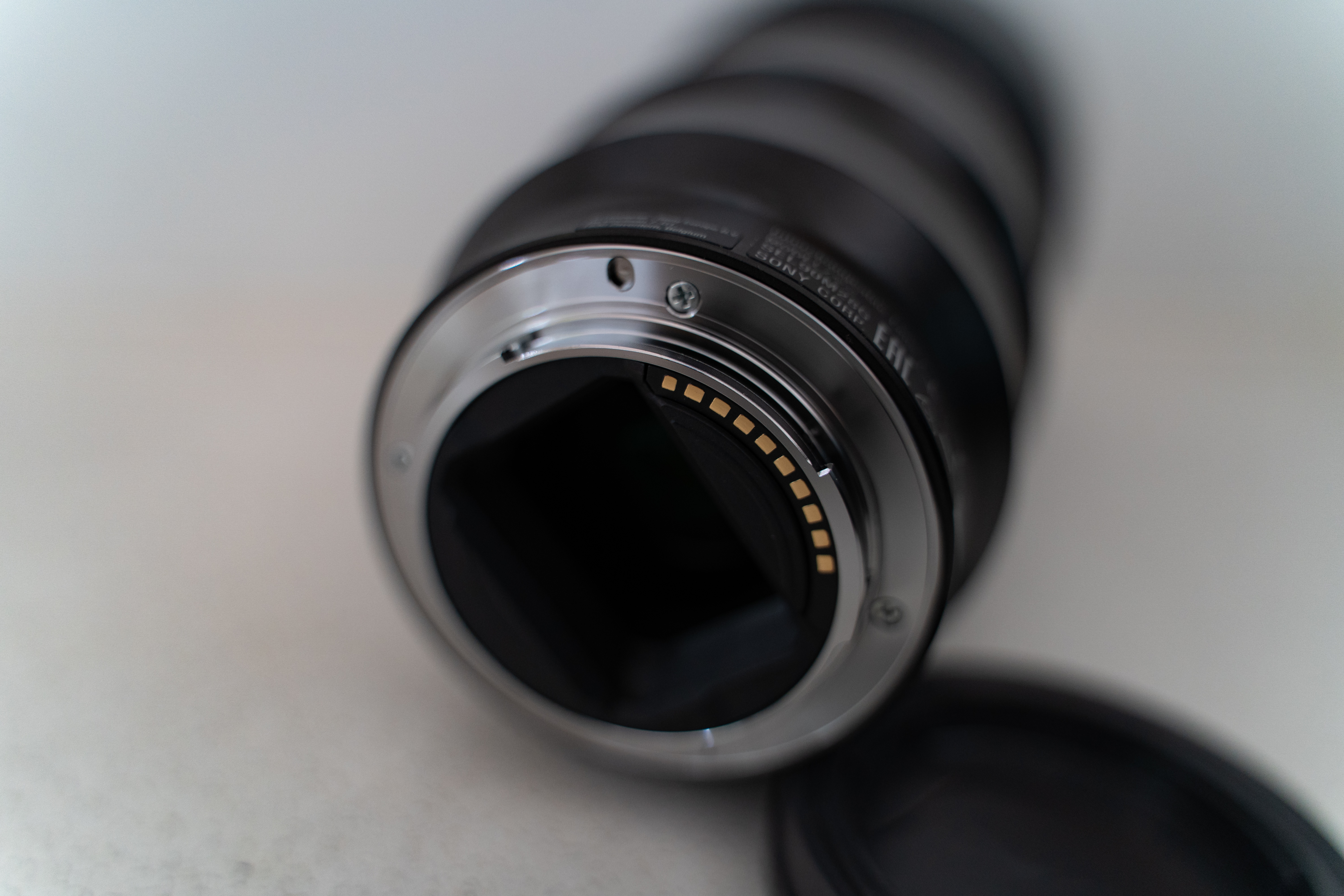
I got a new lens! The Sony FE 2.8/90 MACRO G OSS is a beautiful piece of machinery. Let me start by saying that I am by no means an expert, nor am I remotely qualified to be reviewing photographic equipment! I’m just a rookie who is having a lot of fun playing around with macro photography for the first time.
This lens is built solidly, to put it lightly. The focus ring feels very durable, made entirely of metal, it rotates really smoothly, and can be snapped forward and backward to switch between auto and manual focus modes. It ranges from 1:1 – 1:10 magnification ratio which makes it super versatile, and includes in-lens image stabilisation, which really comes in handy in that 1:1 range. For a lens that looks and feels so robust, it is extremely lightweight and easy to operate without having to remove your eye from the viewfinder. As I said, I am in no position to compare this to any other macro lens, but from my limited experience it’s a 10/10!


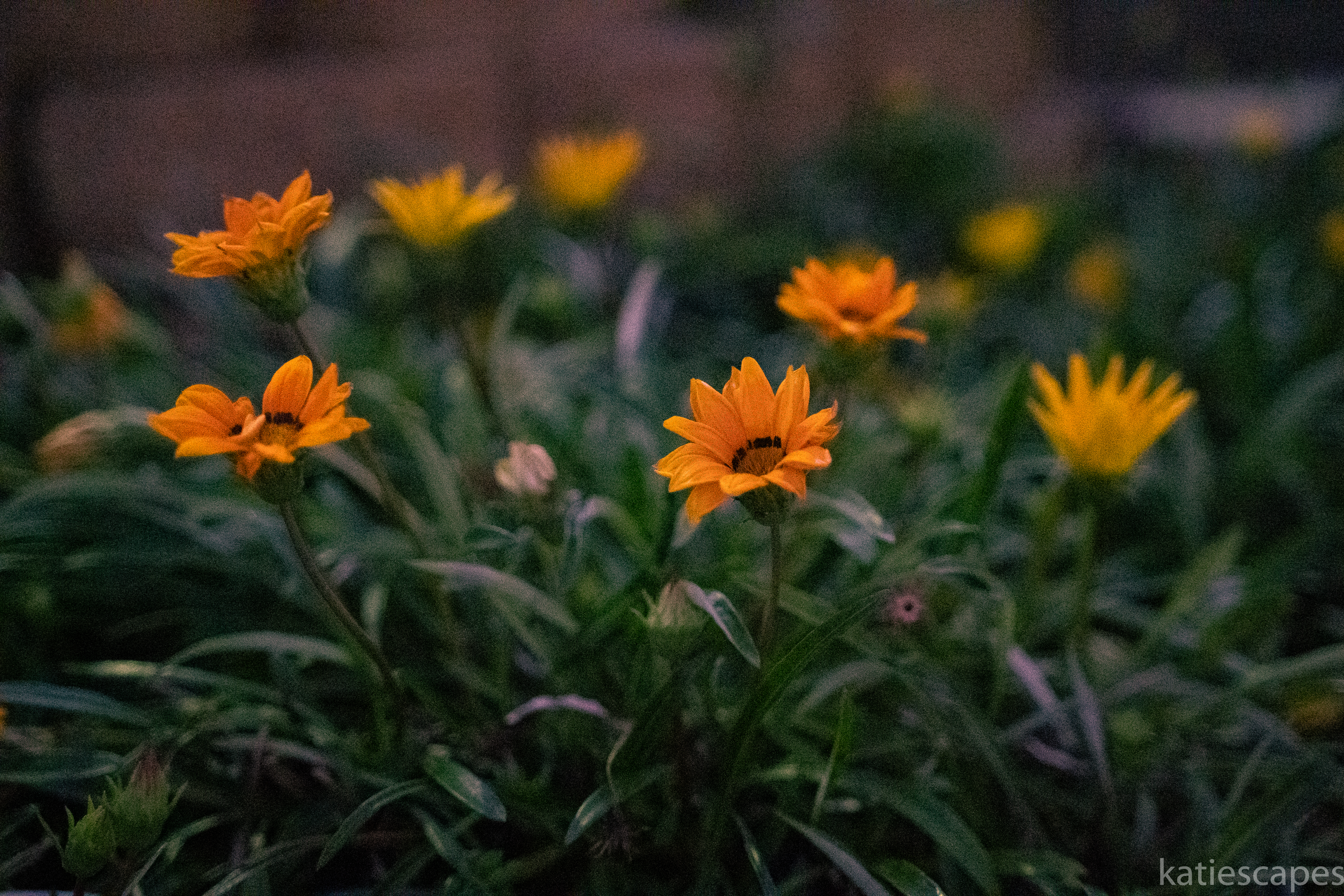
Traditionally, macro photography is used in nature shoots on subjects like insects and flowers, because it can capture the tiniest of details in extreme close-up. I had a bit of a go at this in my backyard, and was pretty impressed with the result. I found that the depth of field is SO narrow that it can be really hard to get an entire insect in focus. I had to use quite a high aperture to achieve this, which created a bit of an issue for lighting. Luckily, being outside in the middle of the day, I managed to find enough light just by approaching from another angle.


I don’t mind the narrow depth of field when it comes to flowers – I think it creates a really interesting sequence of pictures, showcasing different parts of the flower side by side. Competing with an intermittent breeze, I also managed to get some accidental abstract shots which I really like! It’s usually the unplanned shots that I end up loving the most!


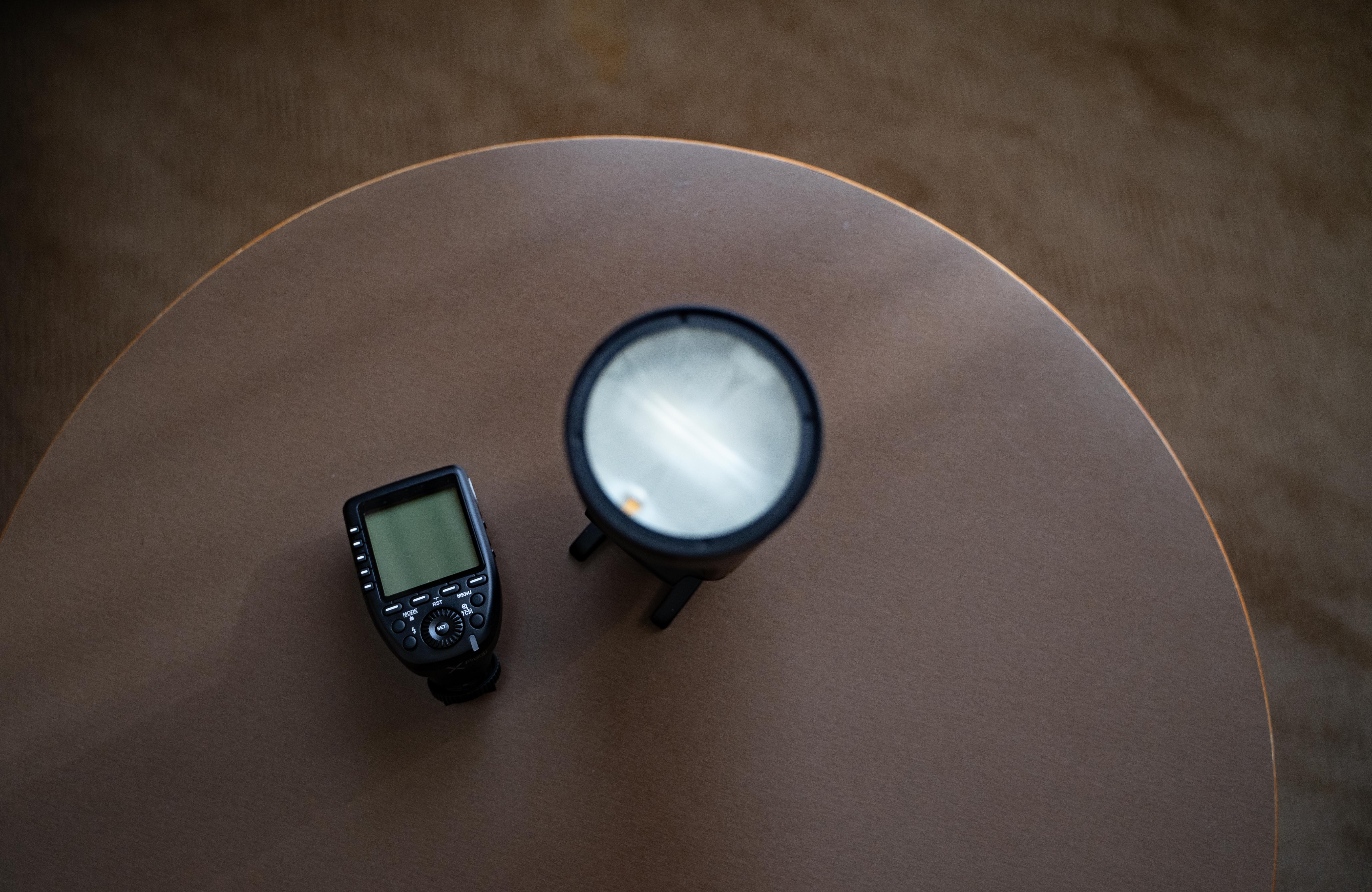
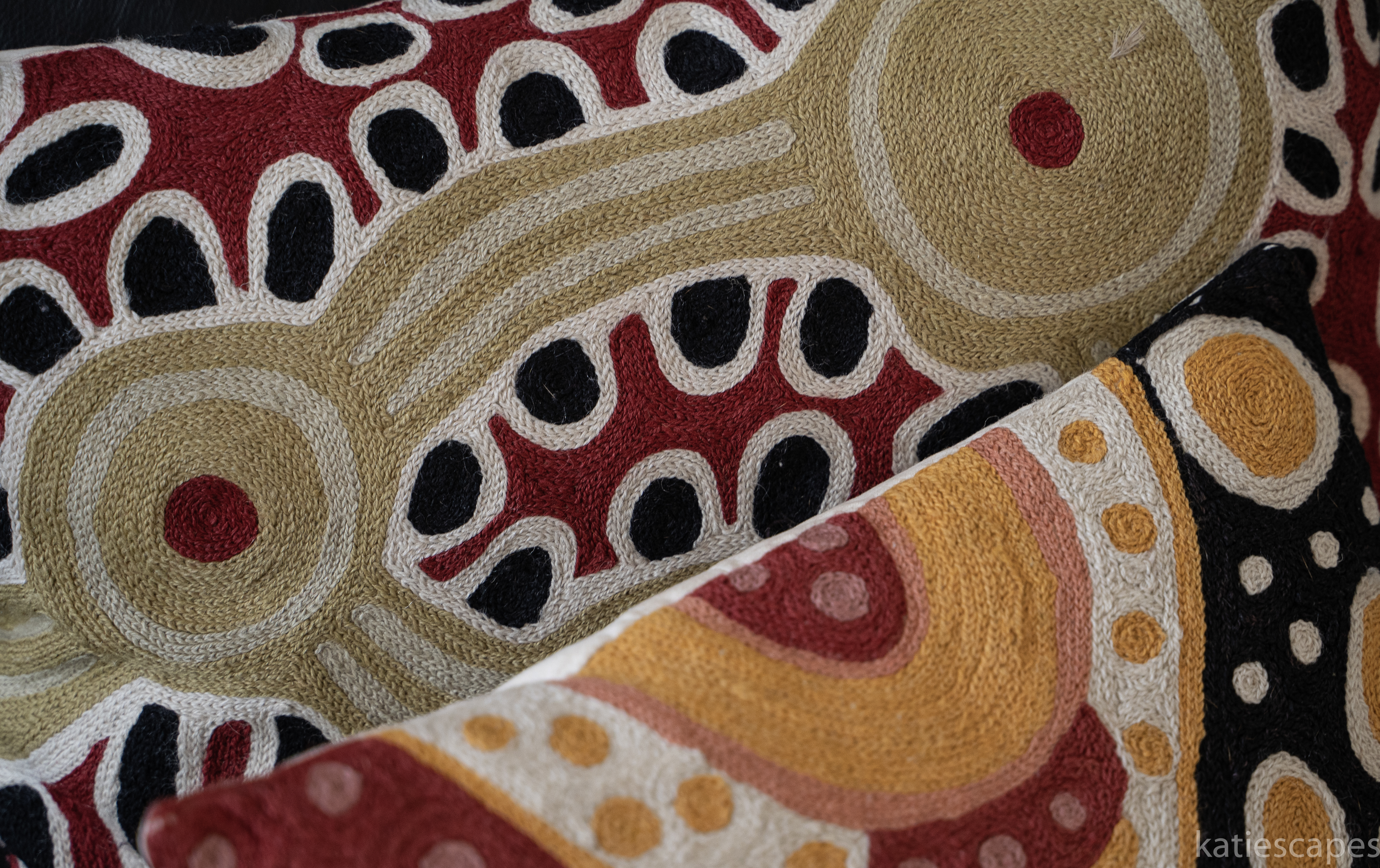
While flowers and insects can create some interesting shots, it doesn’t leave a whole lot of room for creative expression. I am far more interested in capturing the intricate details of everyday objects and presenting them in a way that we don’t normally see them. Again, lighting is probably the most significant challenge I faced. I have found that I need to be working at high shutter speeds to limit camera shake, as well as high aperture to maintain a wider depth of field. I needed to use an off-camera flash to introduce enough light into the shot. For a lot of the images, it was a struggle to create natural looking light – this will be my next challenge!